Top Insulation Techniques for Your Attic
Proper attic insulation is essential for maintaining a comfortable home and reducing energy costs. With the right insulation, your home stays warm in the winter and cool in the summer, while also lowering your utility bills. In this guide, we will explore the top insulation techniques for your attic, helping you choose the best option for your home.
Understanding Attic Insulation
Before diving into the various insulation techniques, it’s important to understand the role of attic insulation. Insulation acts as a barrier to heat flow, keeping your home’s temperature stable. Without proper insulation, heat can easily escape during the winter or enter during the summer, making your HVAC system work harder and increasing your energy bills.
Why Insulate Your Attic?
Insulating your attic can have a significant impact on your home’s energy efficiency. Here are a few reasons why attic insulation is crucial:
- Energy Savings: Proper insulation can reduce heating and cooling costs by up to 30%.
- Comfort: Insulation helps maintain a consistent temperature throughout your home.
- Environmental Impact: Lower energy consumption reduces your carbon footprint.
- Increased Home Value: Energy-efficient homes are more attractive to buyers.
Types of Attic Insulation
There are several types of attic insulation, each with its own benefits and drawbacks. Here, we’ll discuss the most common options to help you decide which is the best insulation for your attic.
Fiberglass Batt Insulation
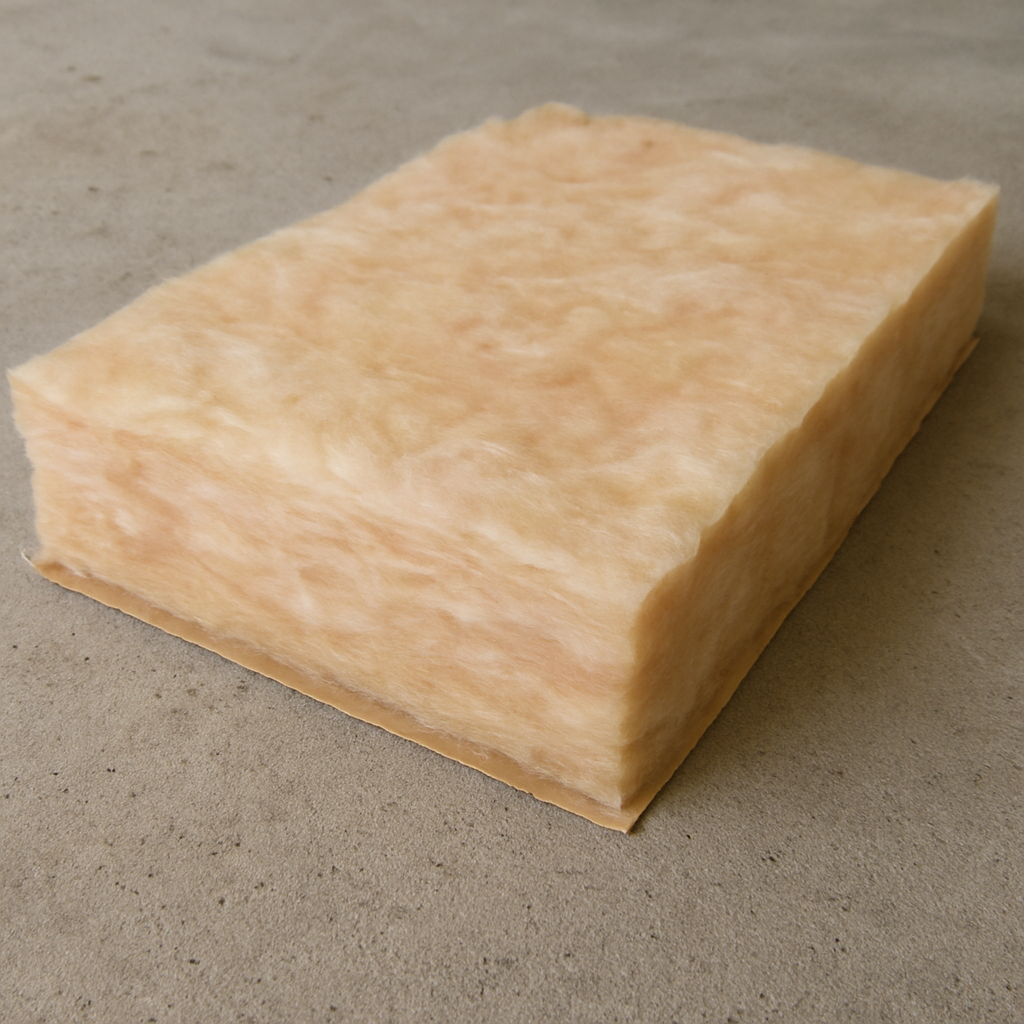
Pros:
- Easy to install, especially for DIY projects.
- Affordable and widely available.
- Resistant to moisture and fire.
Cons:
- Can leave gaps if not installed properly.
- Requires protective gear during installation to avoid skin irritation.
Blown-In Insulation
Blown-in insulation, also known as loose-fill insulation, is made from small particles of fiberglass, cellulose, or mineral wool. It is blown into the attic using special equipment, making it ideal for covering irregular spaces.
Pros:
- Excellent for filling gaps and covering irregular spaces.
- Provides a continuous layer of insulation.
- Can be added on top of existing insulation.
Cons:
- Requires professional installation.
- Can settle over time, reducing its effectiveness.
Spray Foam Insulation
Spray foam insulation is a mixture of chemicals that expand and harden into a solid barrier. It’s highly effective for sealing leaks and providing a strong thermal barrier.
Pros:
- Excellent air sealing properties.
- High R-value per inch, providing superior insulation.
- Adds structural strength to the roof.
Cons:
- Higher cost compared to other insulation types.
- Requires professional installation.
Reflective or Radiant Barrier Insulation
Reflective or radiant barrier insulation is designed to reflect heat away from the attic space. It is typically made from aluminum foil and installed on the underside of the roof.
Pros:
- Ideal for hot climates as it reflects radiant heat.
- Can be combined with other insulation types for added efficiency.
Cons:
- Less effective in cold climates.
- Requires professional installation for optimal performance.
Choosing the Best Insulation for Your Attic
When deciding on the best attic insulation method, consider the following factors:
- Climate: Your local climate plays a significant role in determining the best insulation. In colder climates, focus on insulation with a higher R-value. In warmer areas, radiant barriers may be more effective.
- Budget: Set a budget for your insulation project. While some options may have a higher upfront cost, they could offer long-term savings.
- Installation: Decide if you will tackle the project yourself or hire a professional. Some insulation types, like spray foam, require professional installation.
- Existing Insulation: If your attic already has insulation, you may want to add more or replace it, depending on its condition.
Tips for a Successful Insulation Project
by Brett Jordan (https://unsplash.com/@brett_jordan)
- Seal Air Leaks: Before adding insulation, seal any air leaks in your attic to maximize energy efficiency.
- Ventilation: Ensure your attic has proper ventilation to prevent moisture buildup, which can damage insulation.
- Safety First: Use protective gear when installing insulation, especially with fiberglass products.
- Check Local Codes: Ensure your insulation project complies with local building codes and regulations.
Conclusion
Choosing the best insulation for your attic can significantly impact your home’s comfort and energy efficiency. Whether you opt for fibreglass, blown-in, spray foam, or radiant barriers, consider your climate, budget, and installation preferences. By understanding the types of attic insulation and their benefits, you can make an informed decision that benefits your home for years to come.